Forgotten Trails And Frontier Tales
The 1960s were packed with Westerns that dominated prime-time television and turned actors into household names. While a few classics remain familiar today, many once-popular frontier dramas have largely disappeared from modern viewing habits. These shows helped define an era of television and offer a fascinating look at how the American West was portrayed on the small screen.
 Silver Screen Collection, Getty Images
Gunsmoke Was The Big One
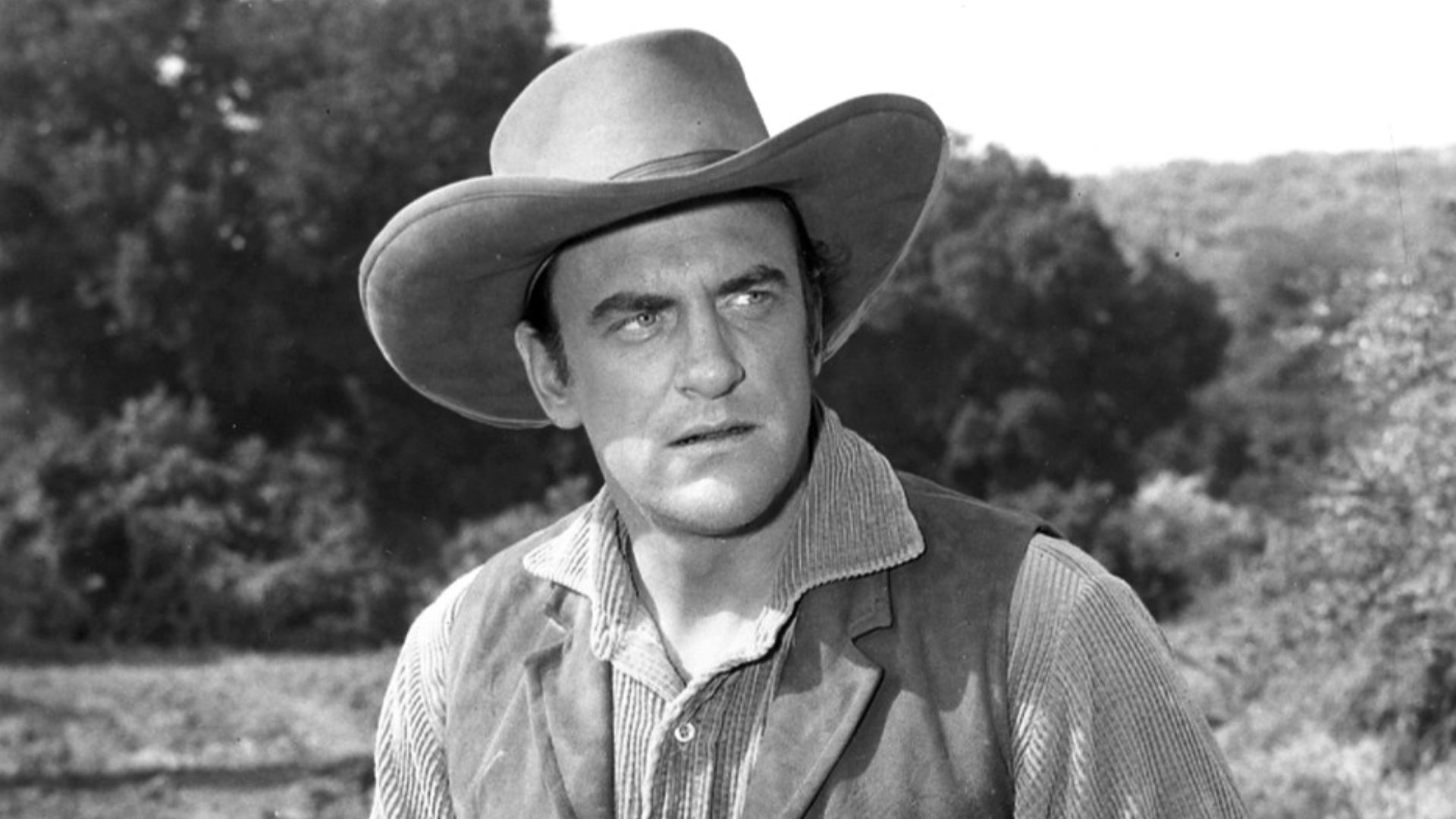
Gunsmoke followed Marshal Matt Dillon as he kept order in Dodge City, Kansas. The CBS series began on television in 1955 and continued through 1975. By the 1960s, it had shifted from half-hour episodes to an hour-long format and later moved into color. Younger viewers may know the title, but many have never sat through its slow-burn, adult-minded frontier drama.
 CBS Television, Wikimedia Commons
Bonanza Made Family Drama Ride Tall
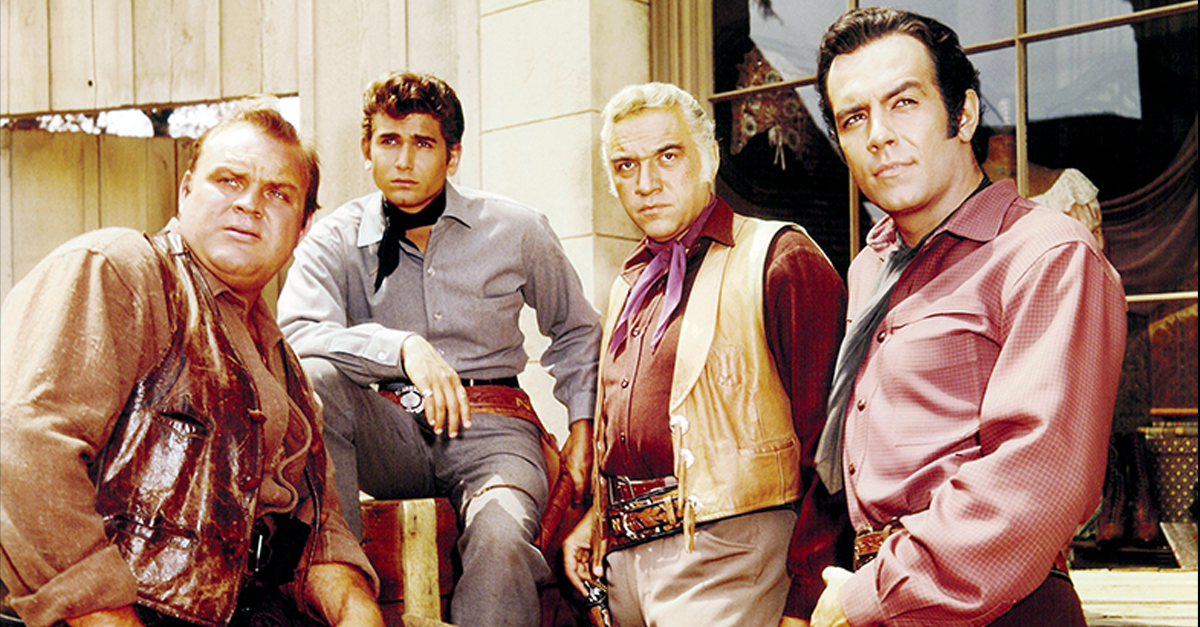
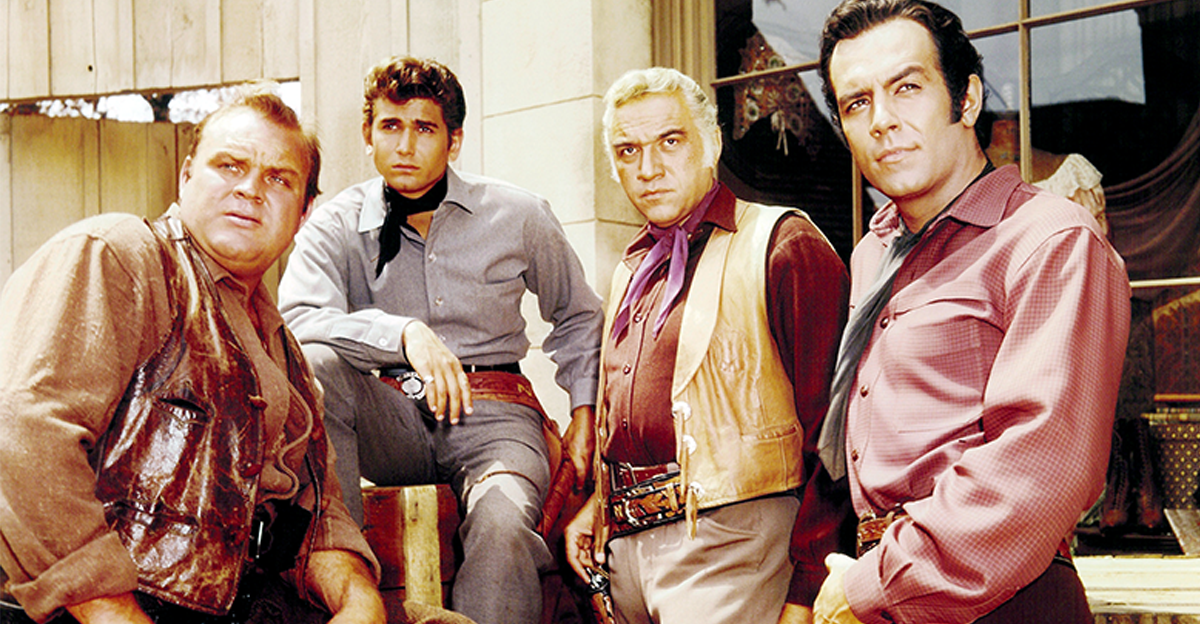
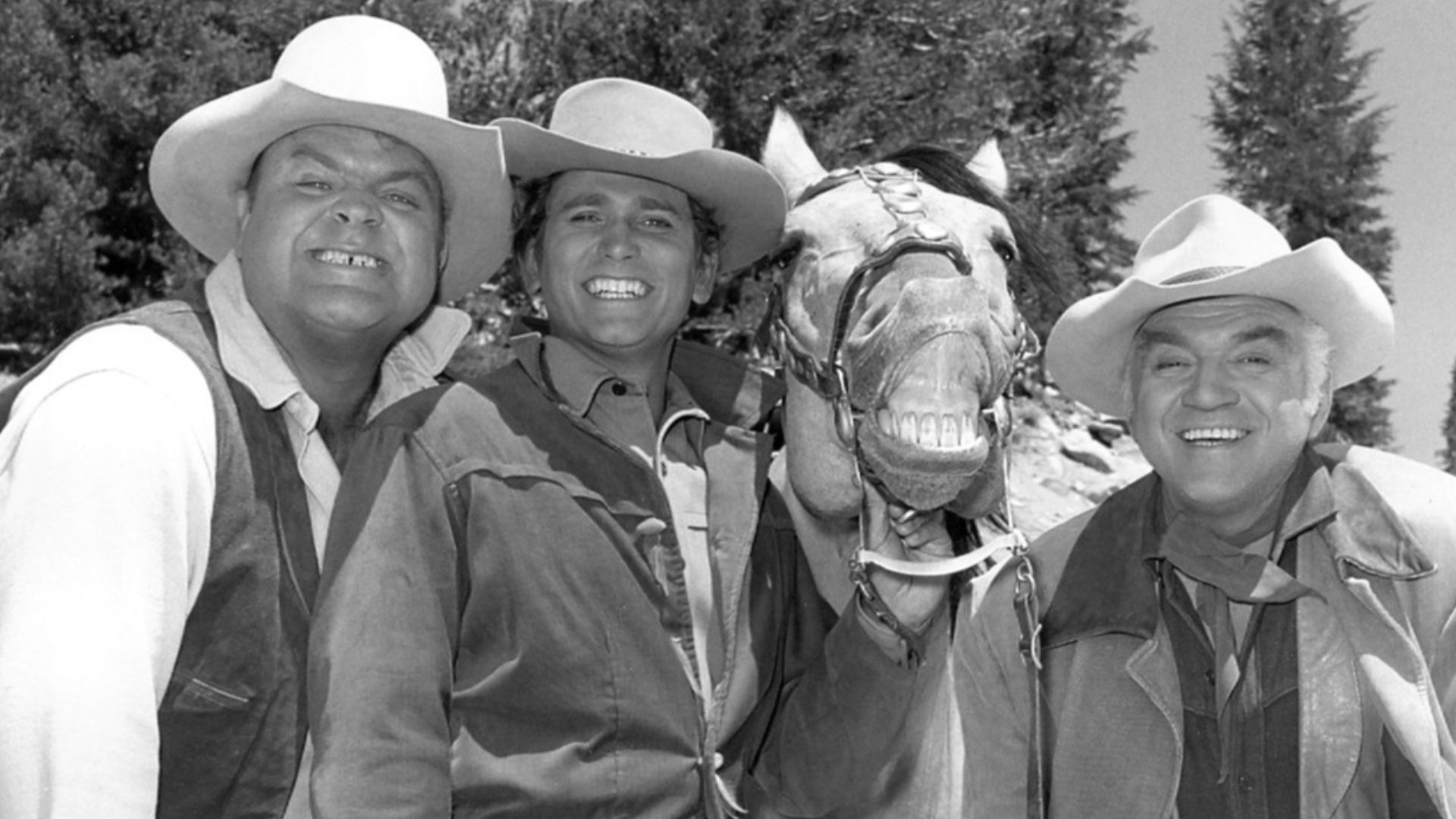
Bonanza centered on Ben Cartwright and his sons as they ran the Ponderosa near Virginia City, Nevada. NBC aired the series from 1959 to 1973, making it one of the longest-running Westerns in broadcast history. It also became famous as an early prime-time Western produced in color. The family-first storytelling helped it stand apart from harsher gunfighter shows.
 NBC Television, Wikimedia Commons
Rawhide Put Clint Eastwood In The Saddle
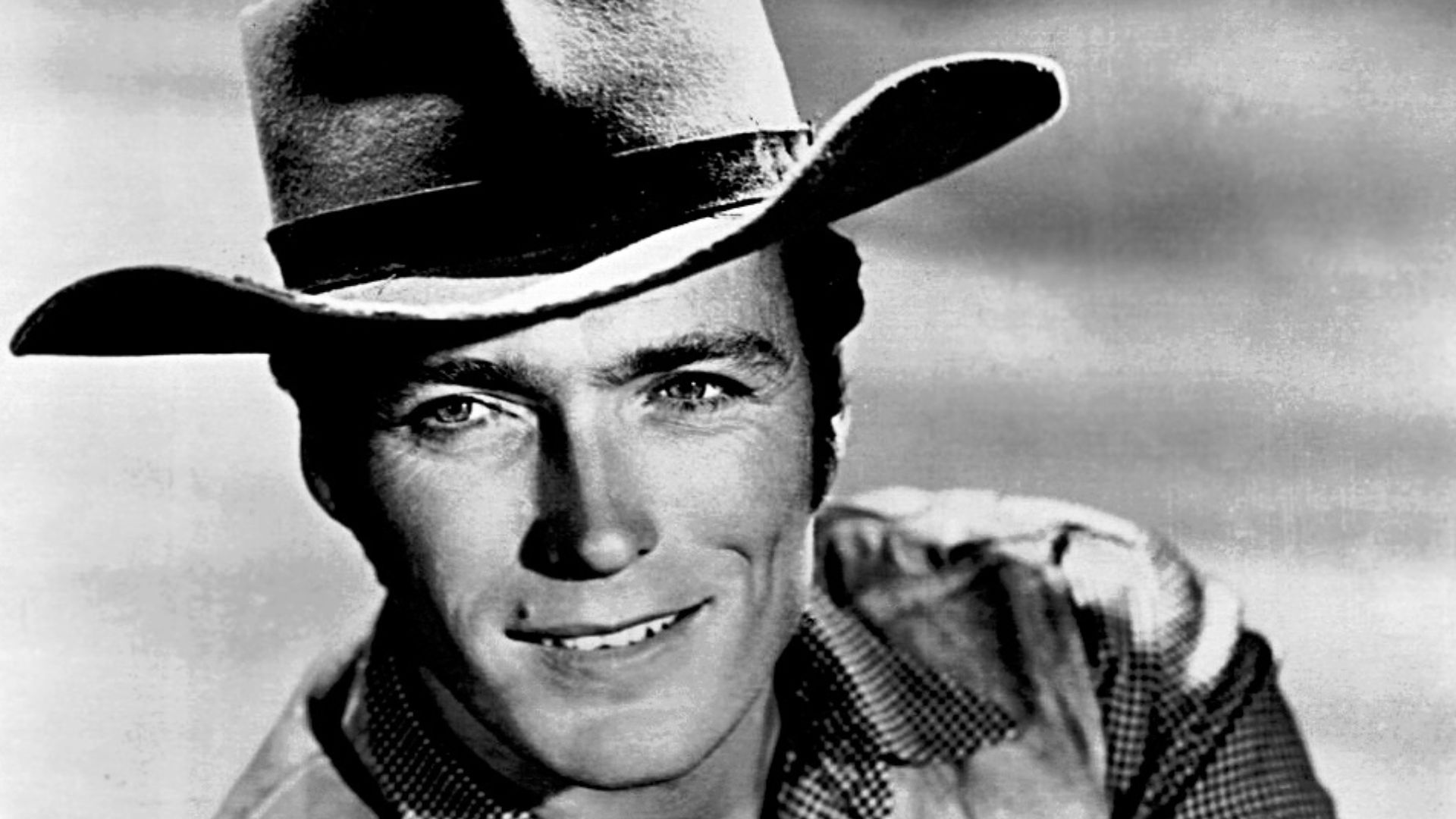
Rawhide followed cattle drovers moving herds across the American frontier. Eric Fleming starred as trail boss Gil Favor, while Clint Eastwood played Rowdy Yates before his movie career exploded. CBS aired the show from 1959 to 1965. Its theme song became almost as recognizable as the dust, danger, and campfire tension on screen.
Wagon Train Was A Rolling Anthology
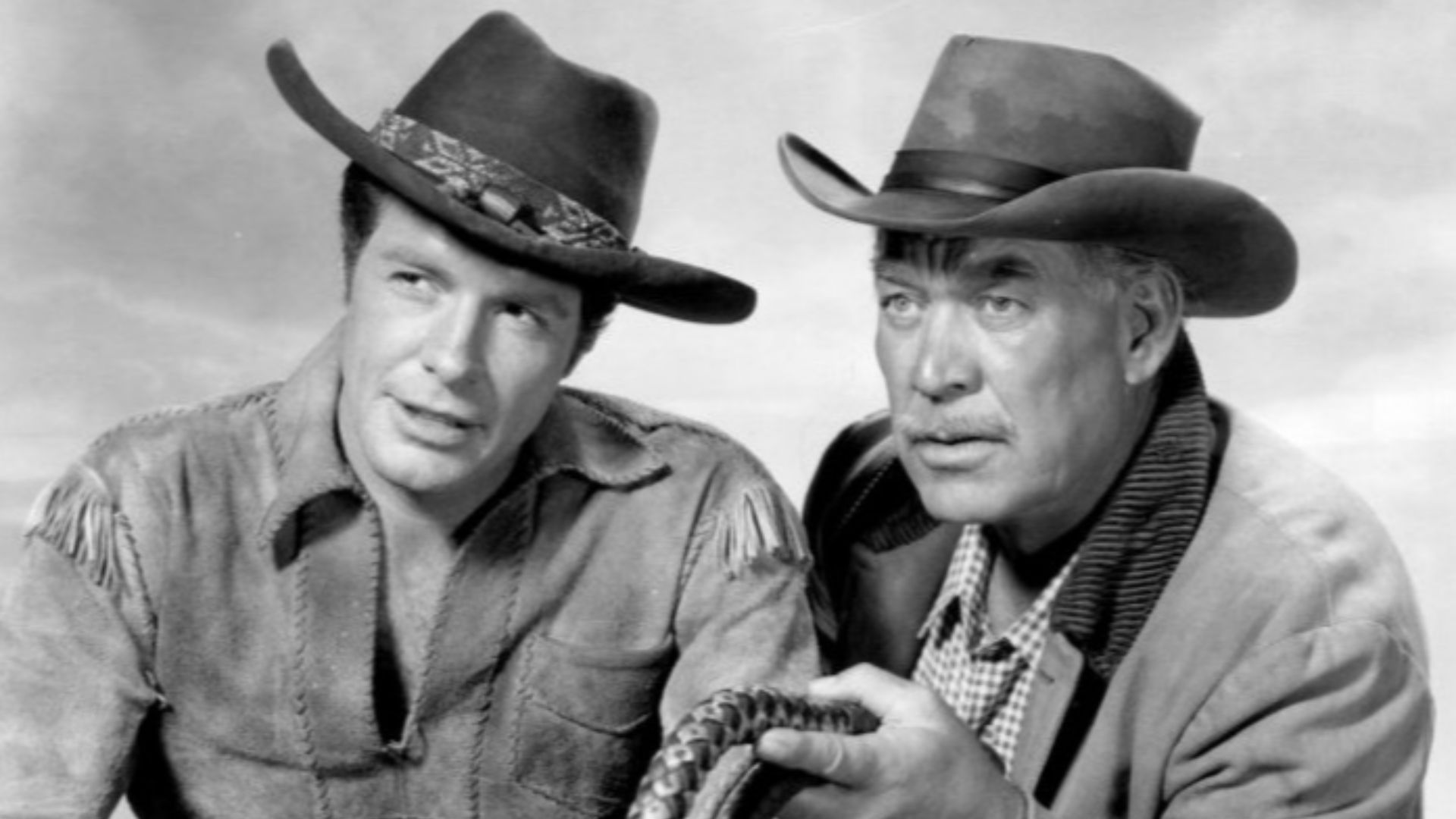
Wagon Train followed pioneers traveling from Missouri toward California. Ward Bond and Robert Horton were among its early stars, and the series later featured John McIntire and Robert Fuller. It aired from 1957 to 1965, first on NBC and later on ABC. The format let a new guest story roll in almost every week.
 ABC Television, Wikimedia Commons
The Virginian Took Its Time
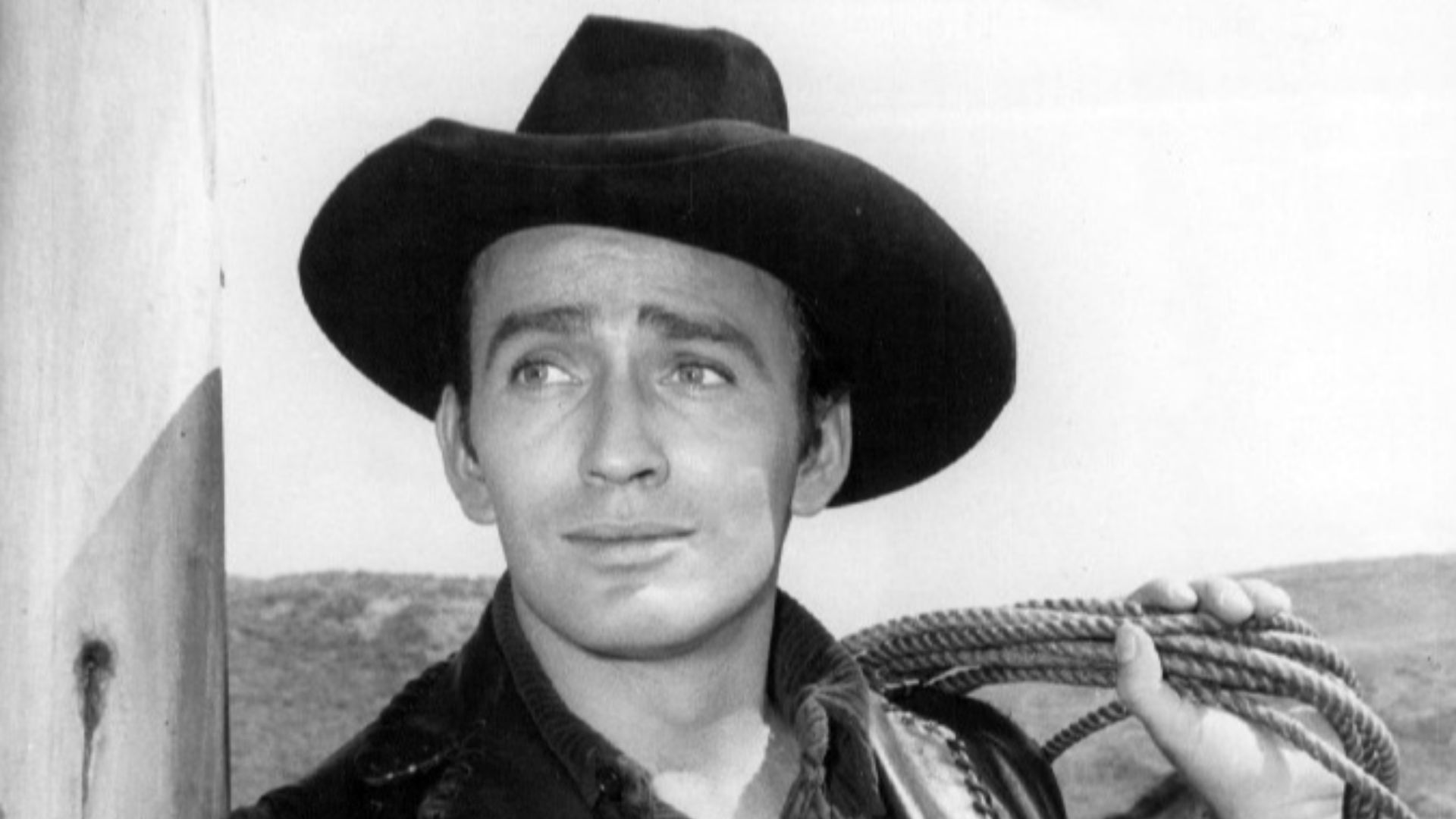
The Virginian starred James Drury as the title character and Doug McClure as Trampas. NBC aired it from 1962 to 1971. It was known for its 90-minute format, which gave episodes more room than most television Westerns. The series later changed its title to The Men From Shiloh for its final season.
 NBC Television, Wikimedia Commons
Daniel Boone Brought Back The Coonskin Cap
Daniel Boone starred Fess Parker as the famous frontier figure. NBC aired the adventure series from 1964 to 1970. Parker had already become closely associated with frontier television through Disney’s Davy Crockett programs. This show gave him another long-running role built around exploration, family, and frontier conflict.
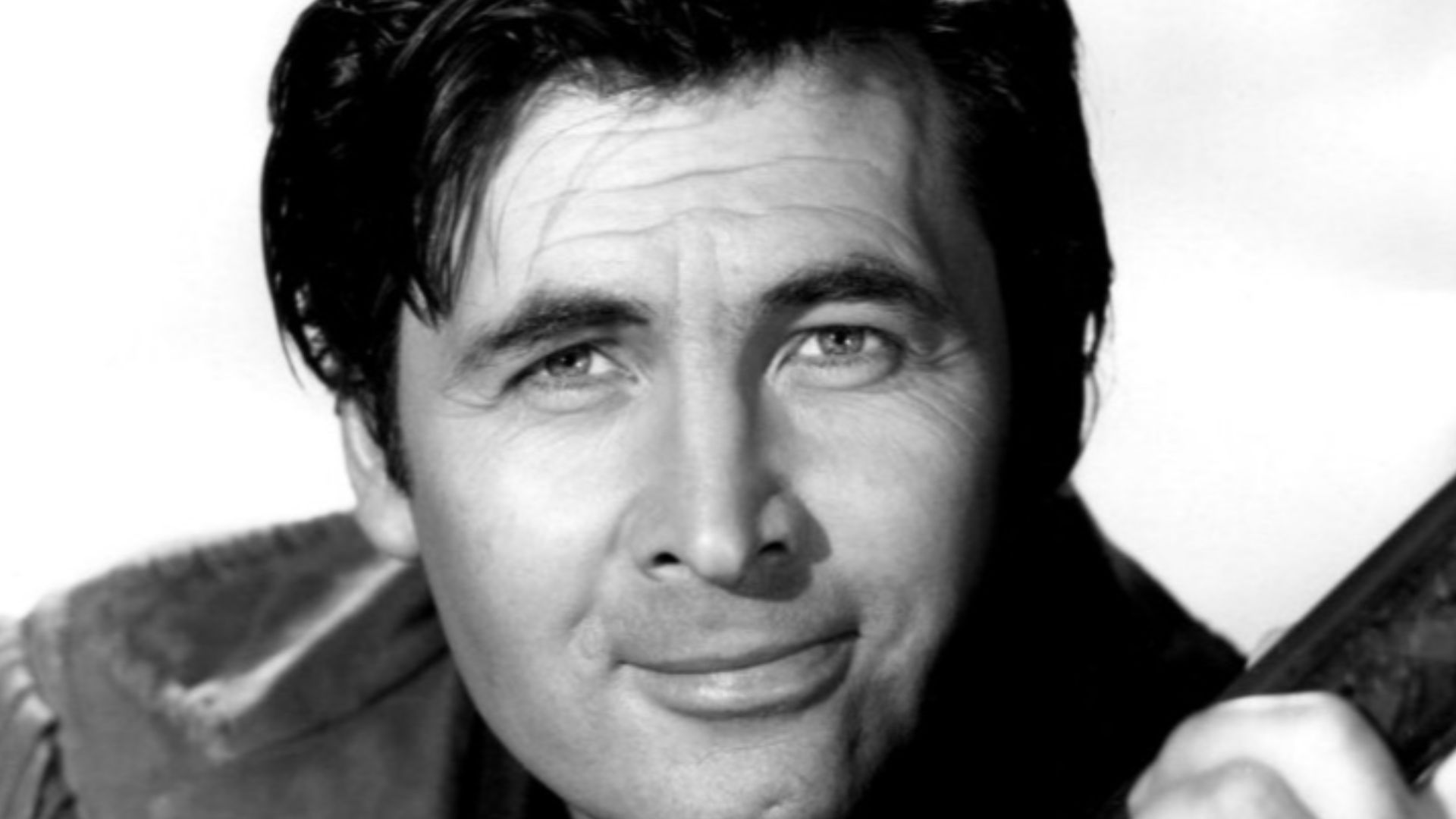 NBC Television, Wikimedia Commons
Death Valley Days Told Frontier Legends
Death Valley Days was a Western anthology series built around stories from the American Old West. The television version ran from 1952 to 1970 in syndication. Ronald Reagan hosted the series during part of the 1960s before leaving acting for politics. Its anthology structure makes it feel very different from ranch-and-marshal Westerns.
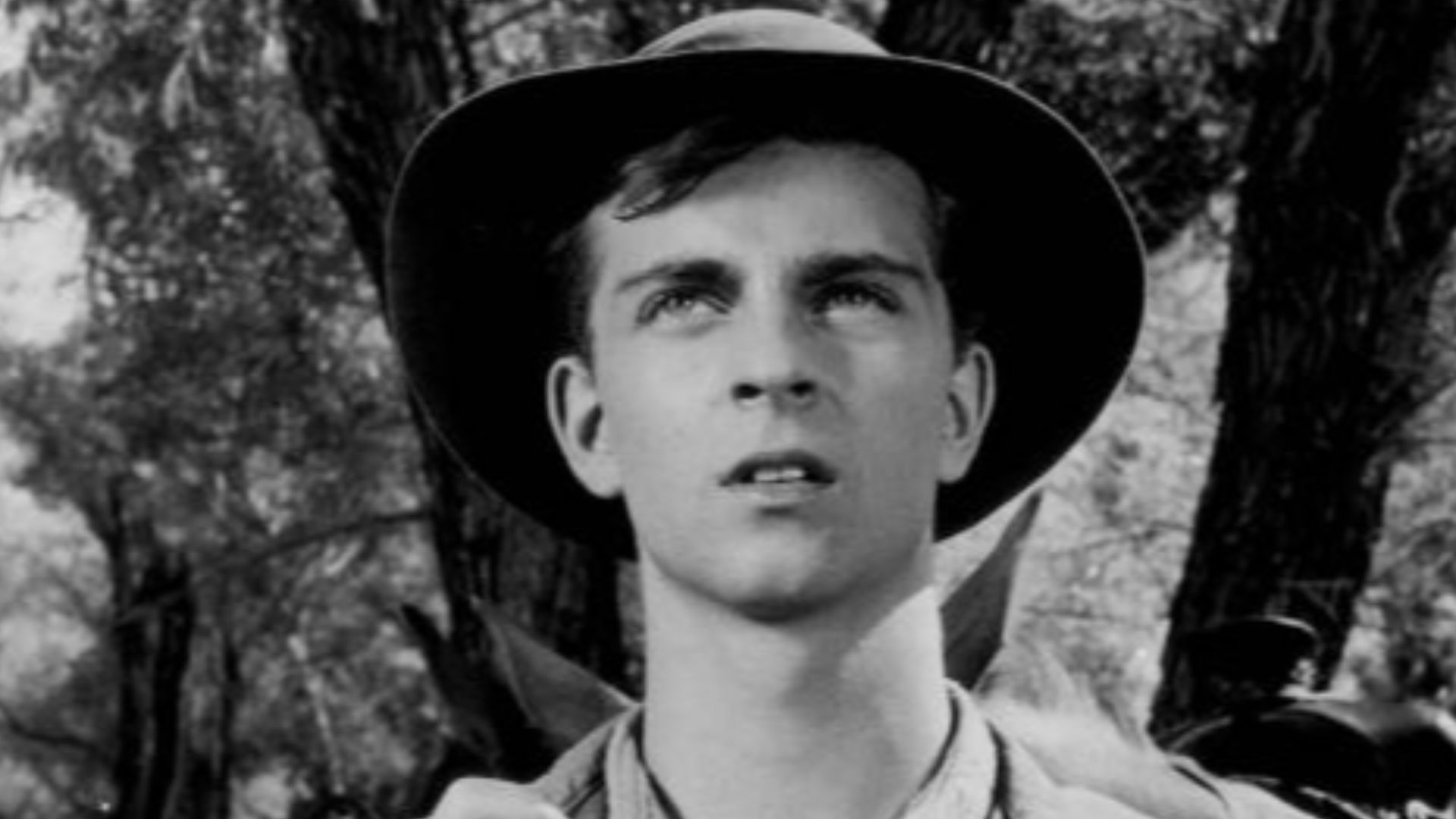
Have Gun Will Travel Had A Gentleman Gunfighter
Have Gun - Will Travel starred Richard Boone as Paladin, a hired gun who lived in San Francisco’s Hotel Carlton. CBS aired the series from 1957 to 1963. Paladin’s calling card and black outfit gave the show one of classic television’s sharpest images. The character mixed refinement, danger, and moral calculation in a way that still feels unusually modern.
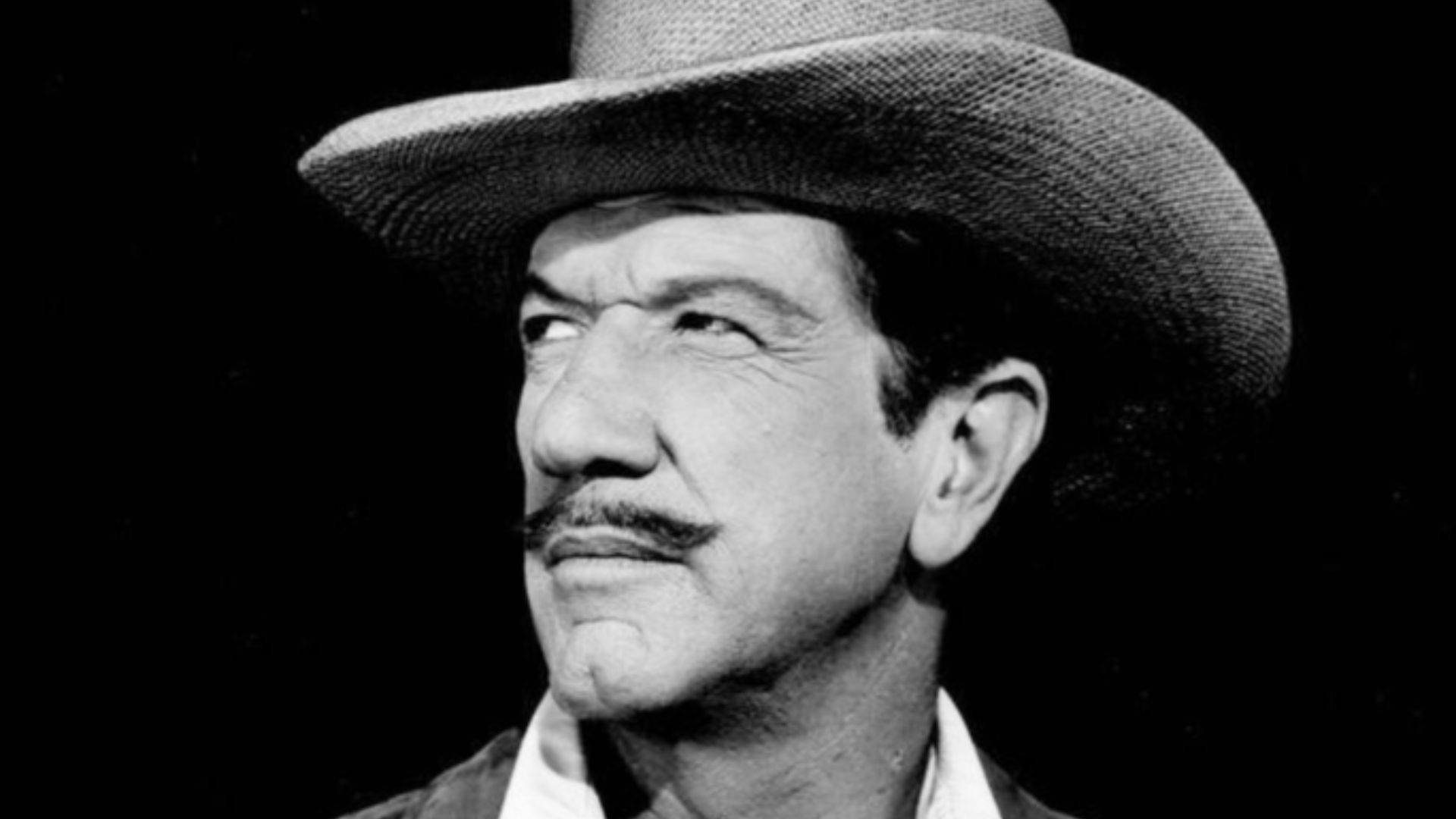 CBS Television, Wikimedia Commons
The Rifleman Made Fatherhood The Hook
The Rifleman starred Chuck Connors as Lucas McCain, a widowed rancher raising his son Mark. ABC aired the series from 1958 to 1963. The show was famous for Lucas’s customized Winchester rifle, but the emotional core was the father-son relationship. That mix of action and parenting helped it age better than many quick-draw shows.
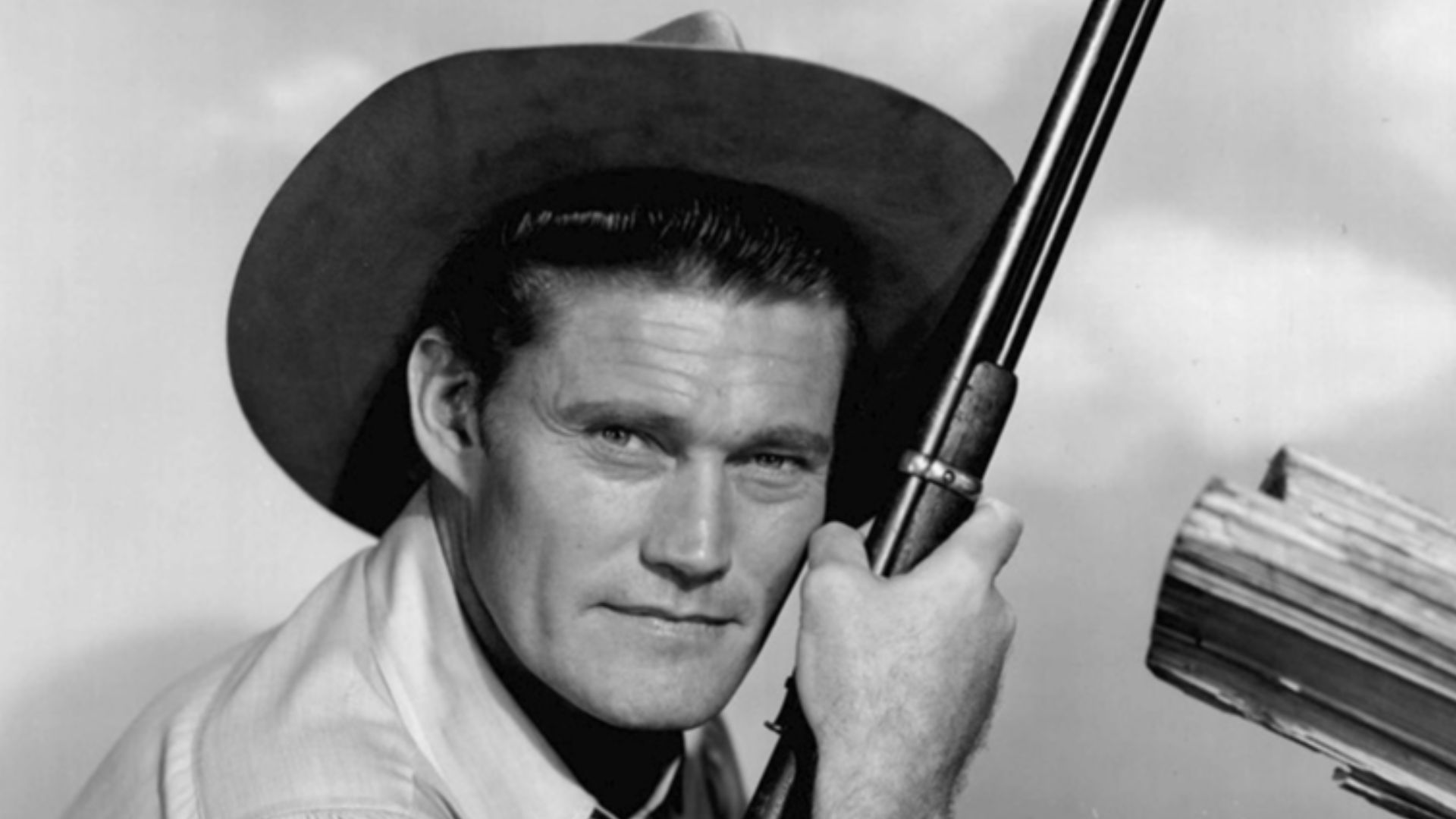 Rogers & Cowan, public relations, Beverly Hills, CA., Wikimedia Commons
Maverick Played The West With A Smile
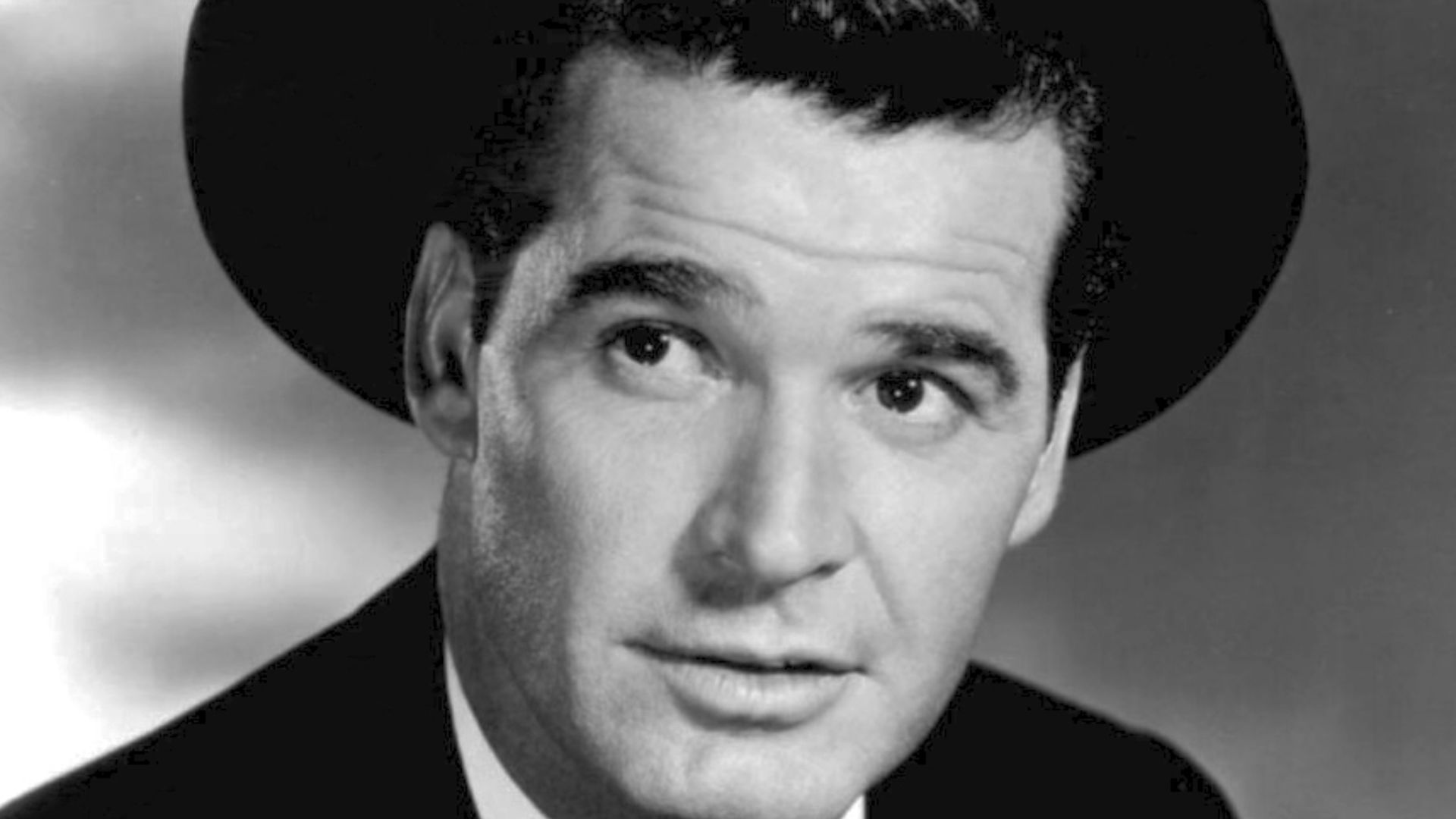
Maverick starred James Garner as gambler Bret Maverick, with Jack Kelly later starring as brother Bart. ABC aired the series from 1957 to 1962. It leaned into humor, cons, card tables, and self-preservation instead of pure frontier heroics. That lighter touch made it one of television’s most charming Western curveballs.
 Warner Brothers Television, Wikimedia Commons
Wanted Dead Or Alive Made Steve McQueen Cool
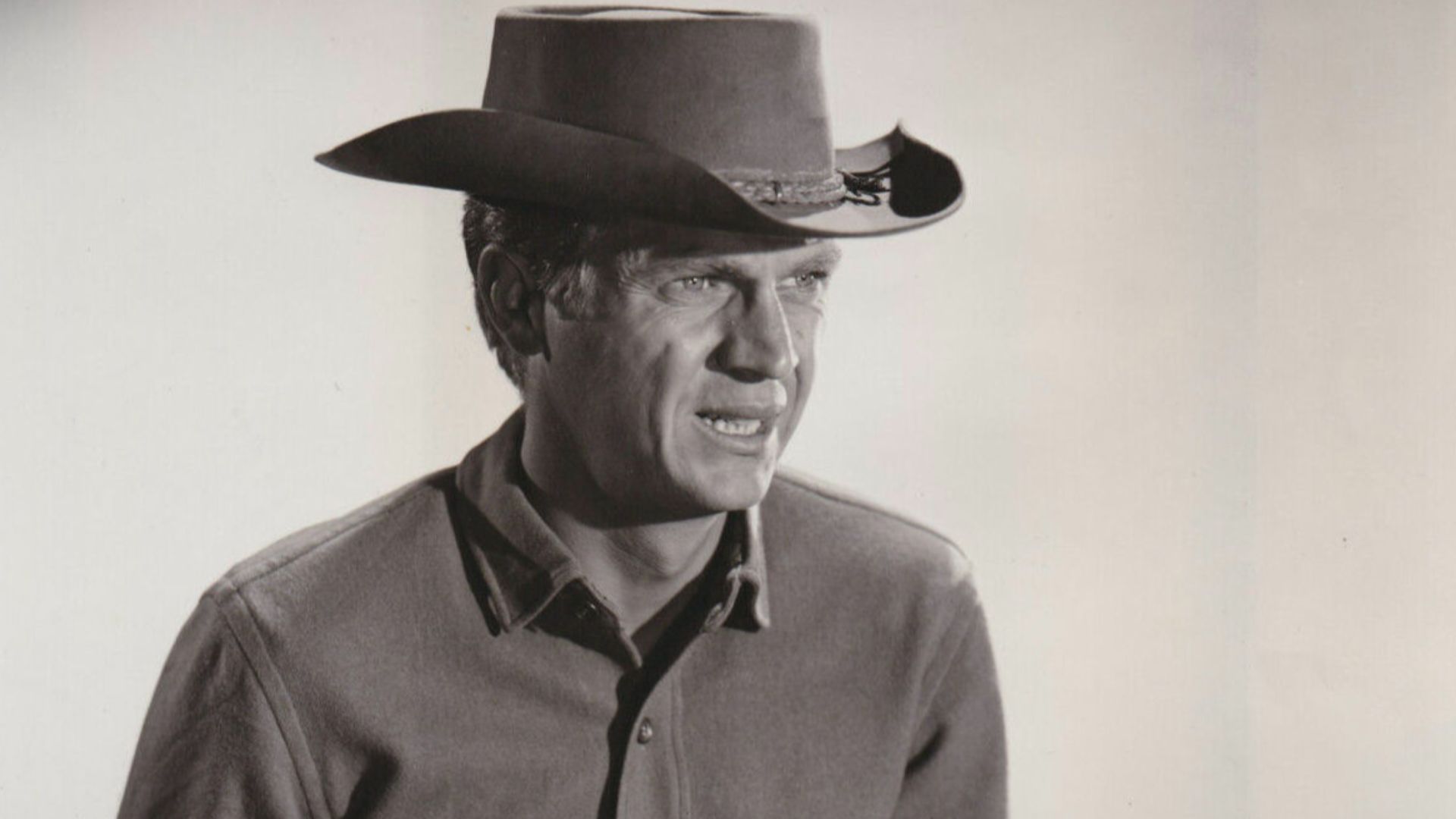
Wanted Dead or Alive starred Steve McQueen as bounty hunter Josh Randall. CBS aired the series from 1958 to 1961. Randall carried a distinctive cut-down Winchester called the Mare’s Leg. The series helped establish McQueen’s spare, intense screen persona before he became a major movie star.
 CBS Television, Wikimedia Commons
Bat Masterson Put Style Before Grit
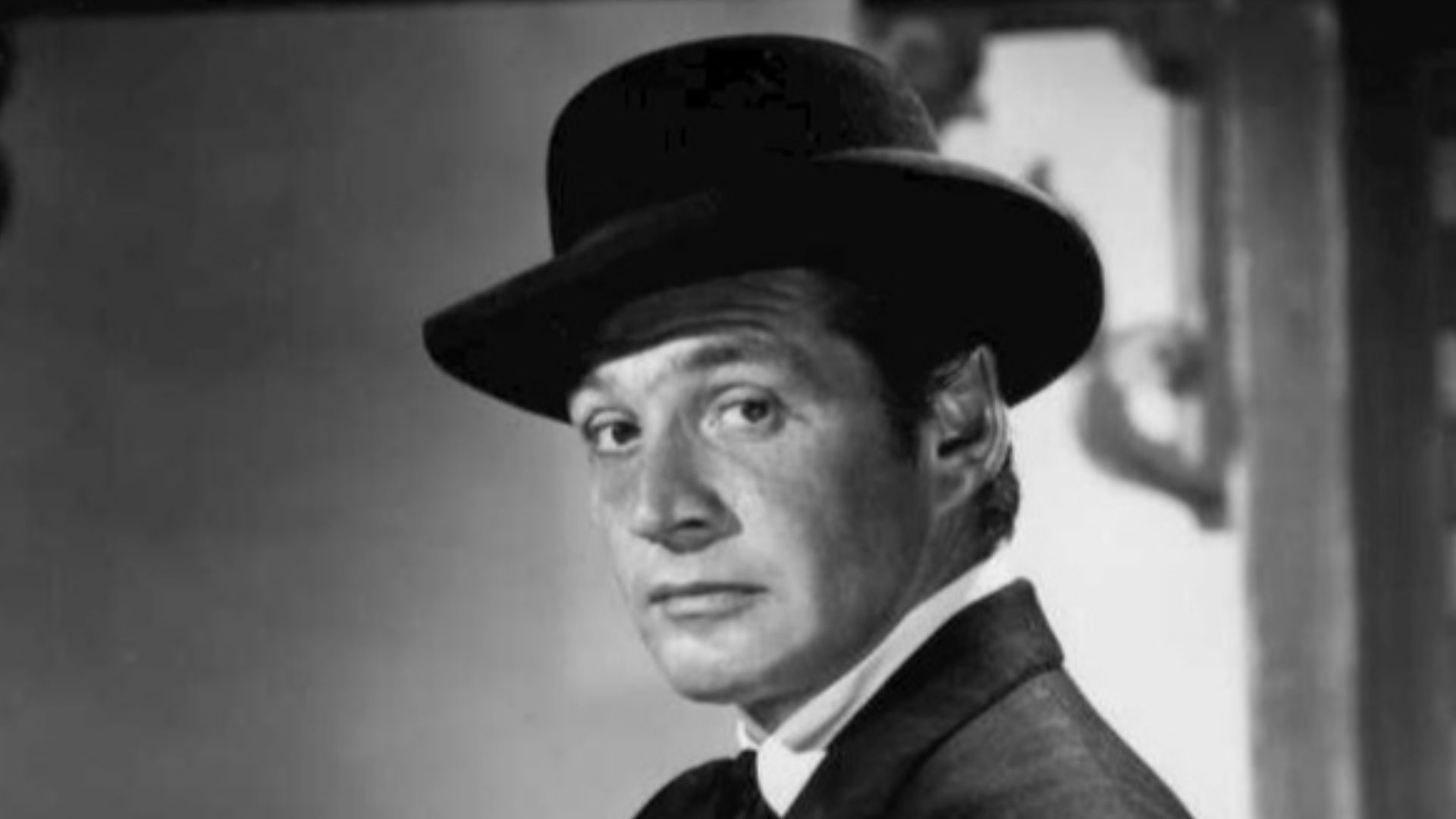
Bat Masterson starred Gene Barry as the real-life lawman, gambler, and newspaper figure. NBC aired the series from 1958 to 1961. The television version dressed Masterson with a cane, derby hat, and polished manners. It was a Western that preferred elegance and swagger over dust-caked realism.
 NBC Television-photo by Herb Ball, Wikimedia Commons
Lawman Kept Things Lean And Tough
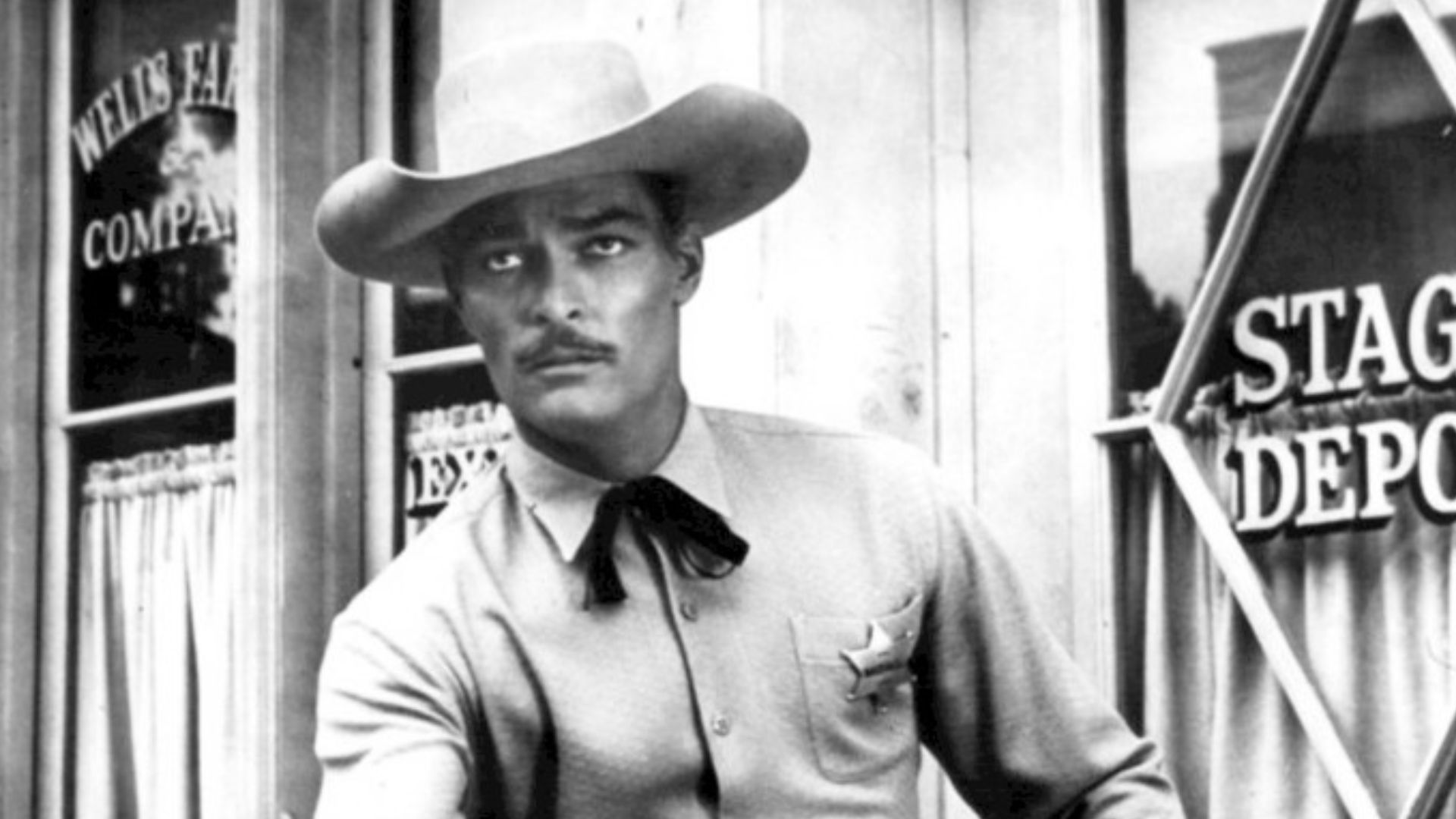
Lawman starred John Russell as Marshal Dan Troop and Peter Brown as Deputy Johnny McKay. ABC aired the Warner Bros. Western from 1958 to 1962. Its stories often focused on the daily pressure of keeping order in Laramie, Wyoming. The show was less flashy than Bonanza, but its stripped-down style gave it a steady punch.
 ABC Television, Wikimedia Commons
Tales Of Wells Fargo Delivered A Traveling Hero
Tales of Wells Fargo starred Dale Robertson as special agent Jim Hardie. NBC aired the series from 1957 to 1962. Hardie’s job sent him wherever Wells Fargo business met stagecoach robberies, fraud, and frontier trouble. The premise gave the show a built-in reason to move from town to town.
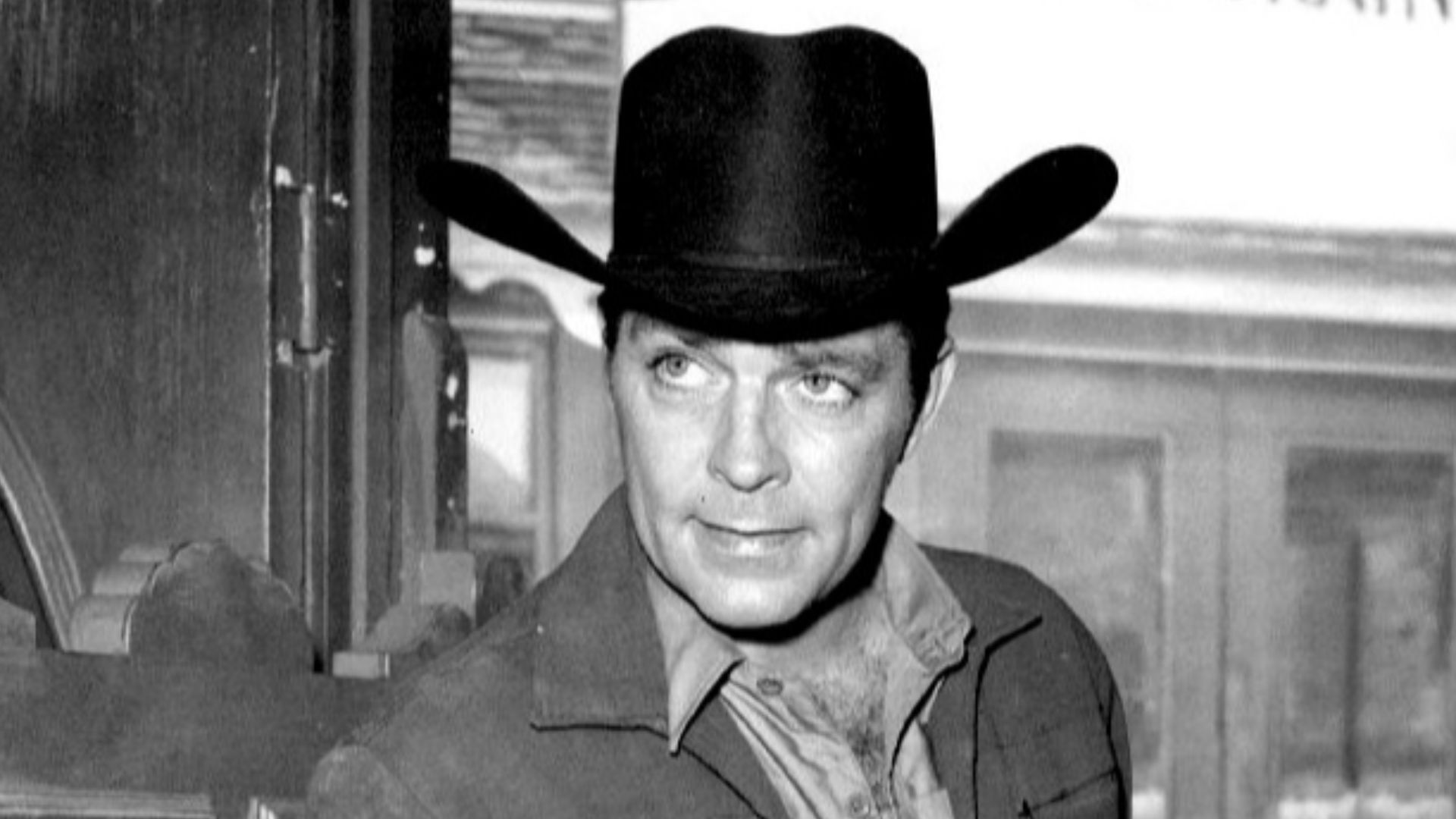 NBC Photo by Frank Carroll, Wikimedia Commons
Cheyenne Helped Start The Adult Western Boom
Cheyenne starred Clint Walker as wandering frontier hero Cheyenne Bodie. ABC aired the Warner Bros. series from 1955 to 1962. Its success helped establish the hour-long television Western as a prime-time staple. The show’s scale and movie-star look made it feel bigger than many early TV Westerns.
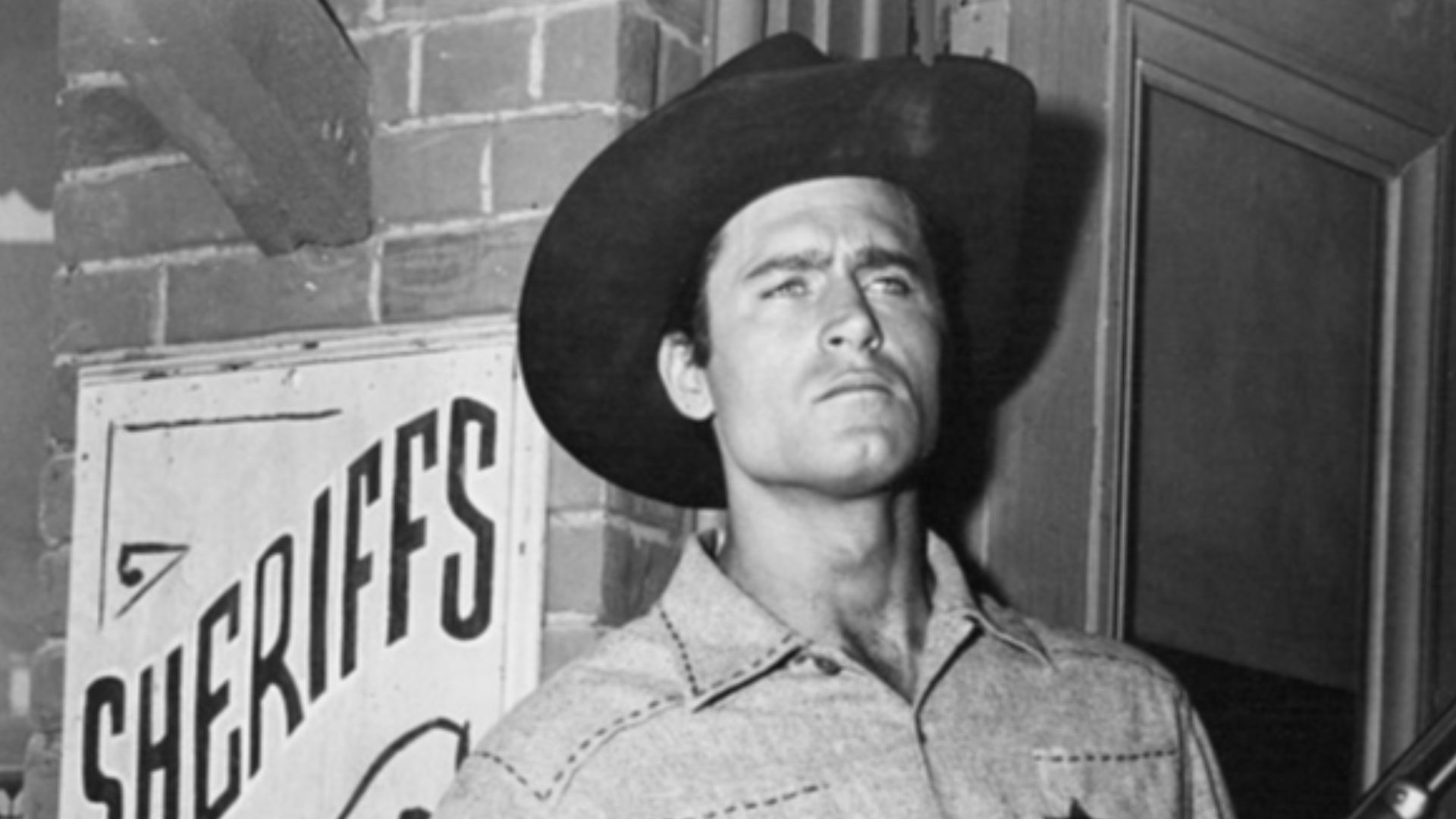 Warner Bros. Pictures, Wikimedia Commons
Laramie Gave The Trail A Rough Edge
Laramie starred John Smith and Robert Fuller in a story built around a stagecoach relay station in Wyoming. NBC aired the series from 1959 to 1963. The show began in black and white and later moved to color. Its mix of ranch work, stage traffic, and wandering danger made it a sturdy early-1960s Western.
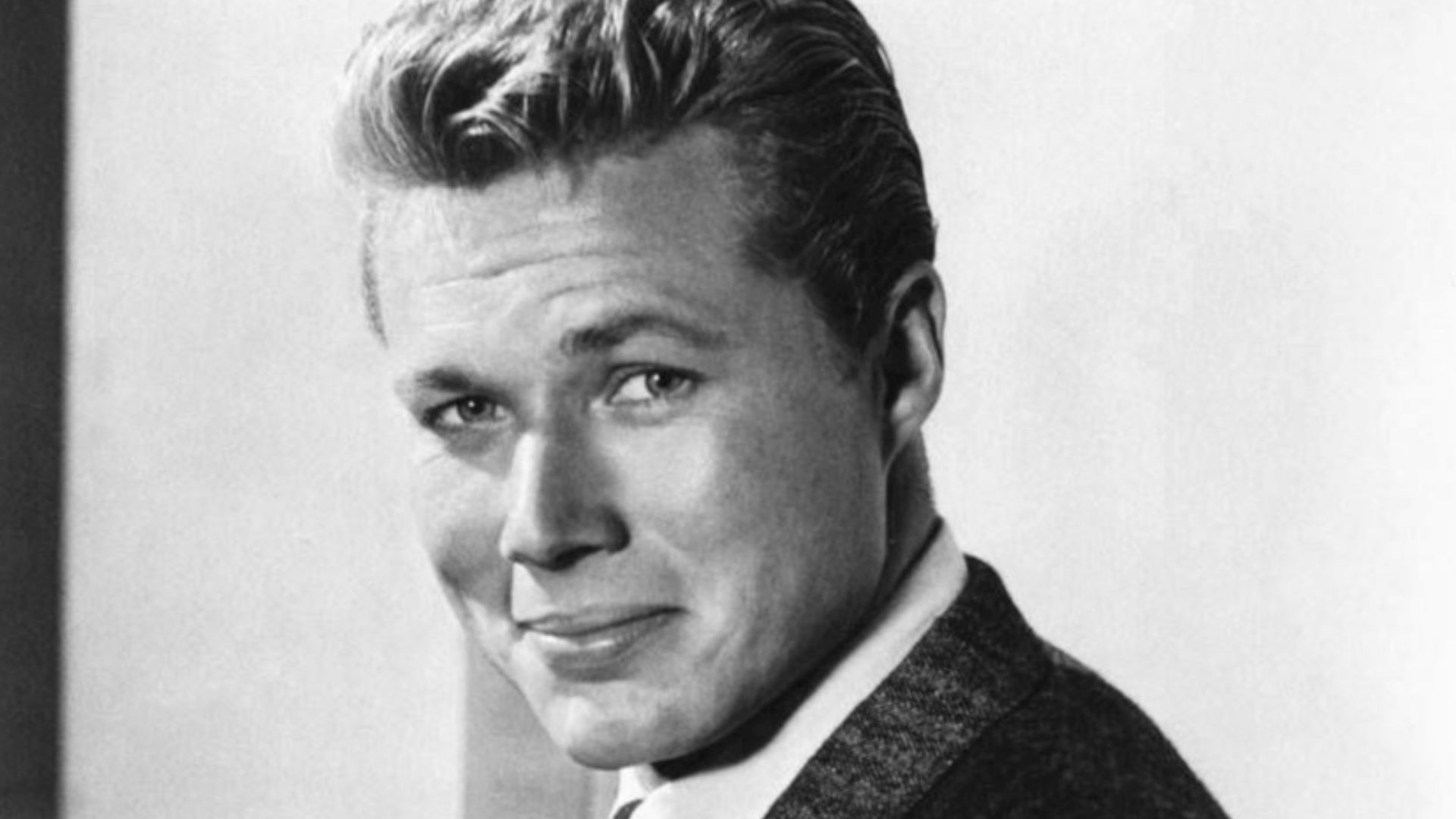
The Big Valley Put Barbara Stanwyck In Charge
The Big Valley starred Barbara Stanwyck as Victoria Barkley, the matriarch of a powerful California ranching family. ABC aired the series from 1965 to 1969. Richard Long, Peter Breck, Lee Majors, and Linda Evans were also part of the main cast. The show gave classic Western drama a commanding female center.
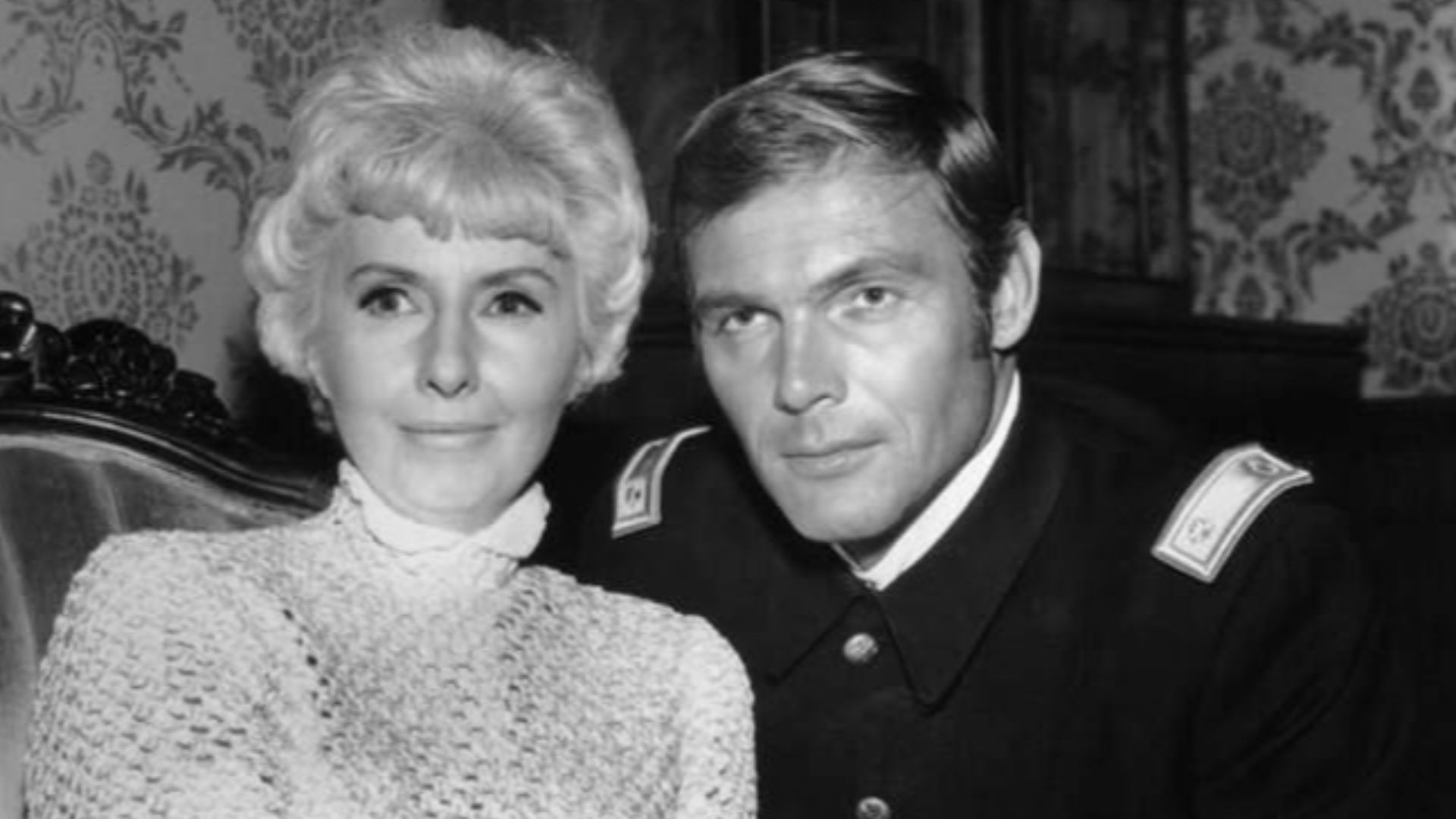 ABC Television, Wikimedia Commons
Branded Turned Shame Into A Quest
Branded starred Chuck Connors as Jason McCord, a former Army officer accused of cowardice. NBC aired the series from 1965 to 1966. Each episode followed McCord as he wandered the West trying to live with his ruined reputation. The premise gave the show a darker emotional engine than many hero-driven Westerns.
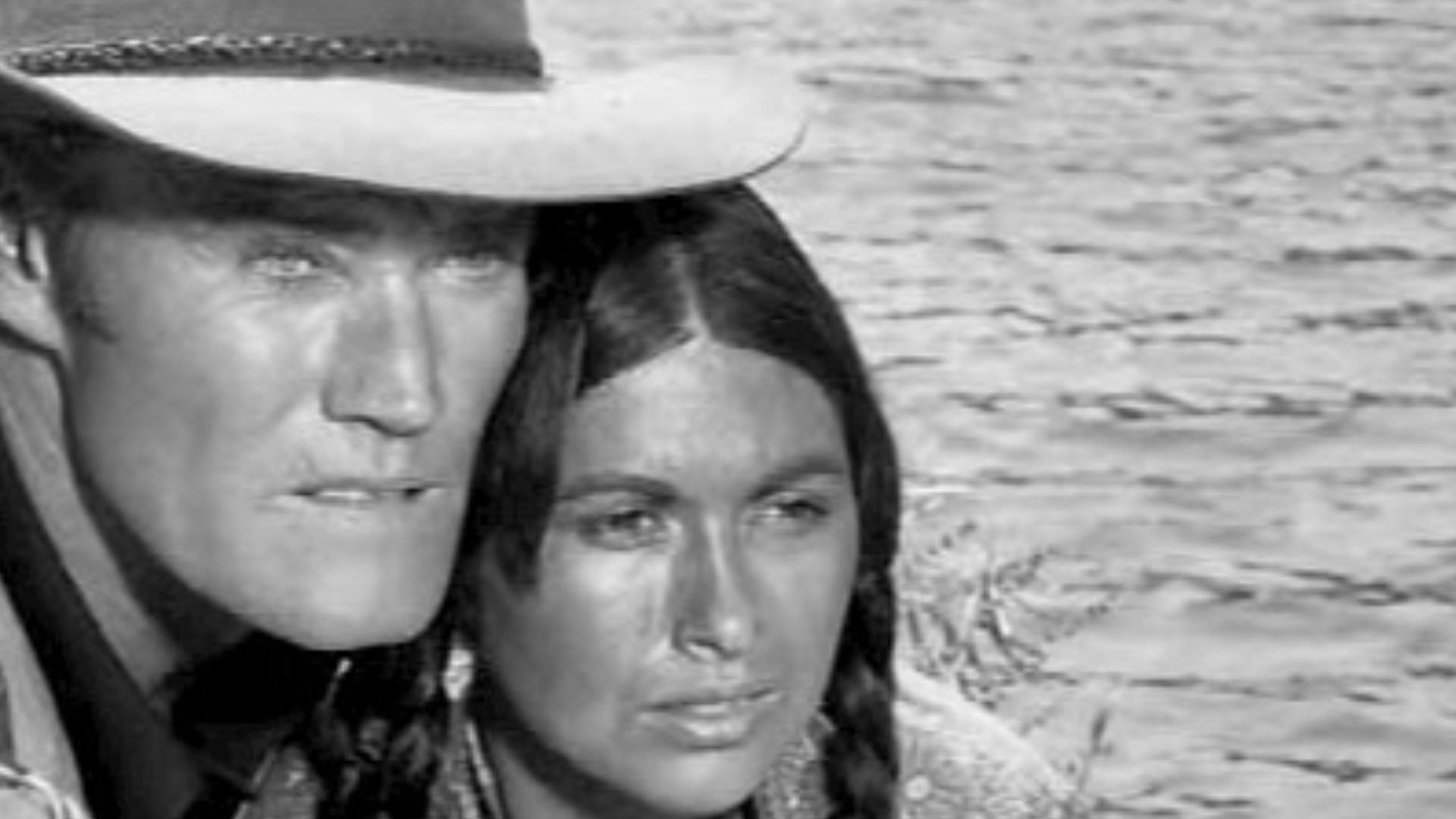 NBC Television, Wikimedia Commons
Laredo Rode With Texas Rangers
Laredo followed Texas Rangers played by Philip Carey, Neville Brand, William Smith, and Peter Brown. NBC aired the series from 1965 to 1967. The characters first appeared through The Virginian before getting their own show. Its tone mixed action, bickering, and buddy-style energy in a way that feels closer to later ensemble television.
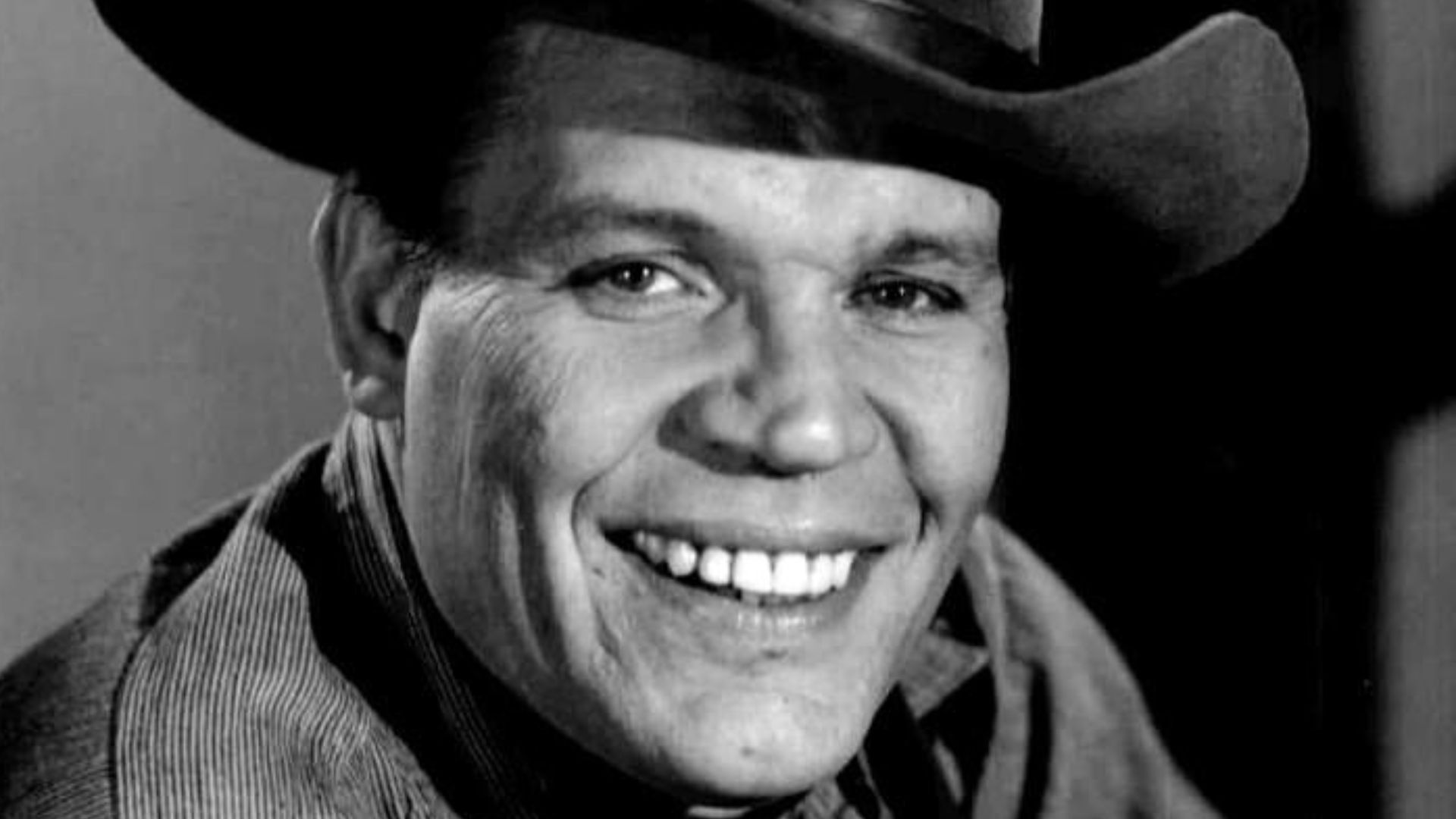 NBC Television, Wikimedia Commons
The Wild Wild West Mixed Cowboys And Gadgets
The Wild Wild West starred Robert Conrad as James West and Ross Martin as Artemus Gordon. CBS aired the series from 1965 to 1969. It blended Western adventure with spy-fi gadgets, disguises, and elaborate villains. Long before steampunk became a familiar label, this show was already putting machinery and espionage on horseback.
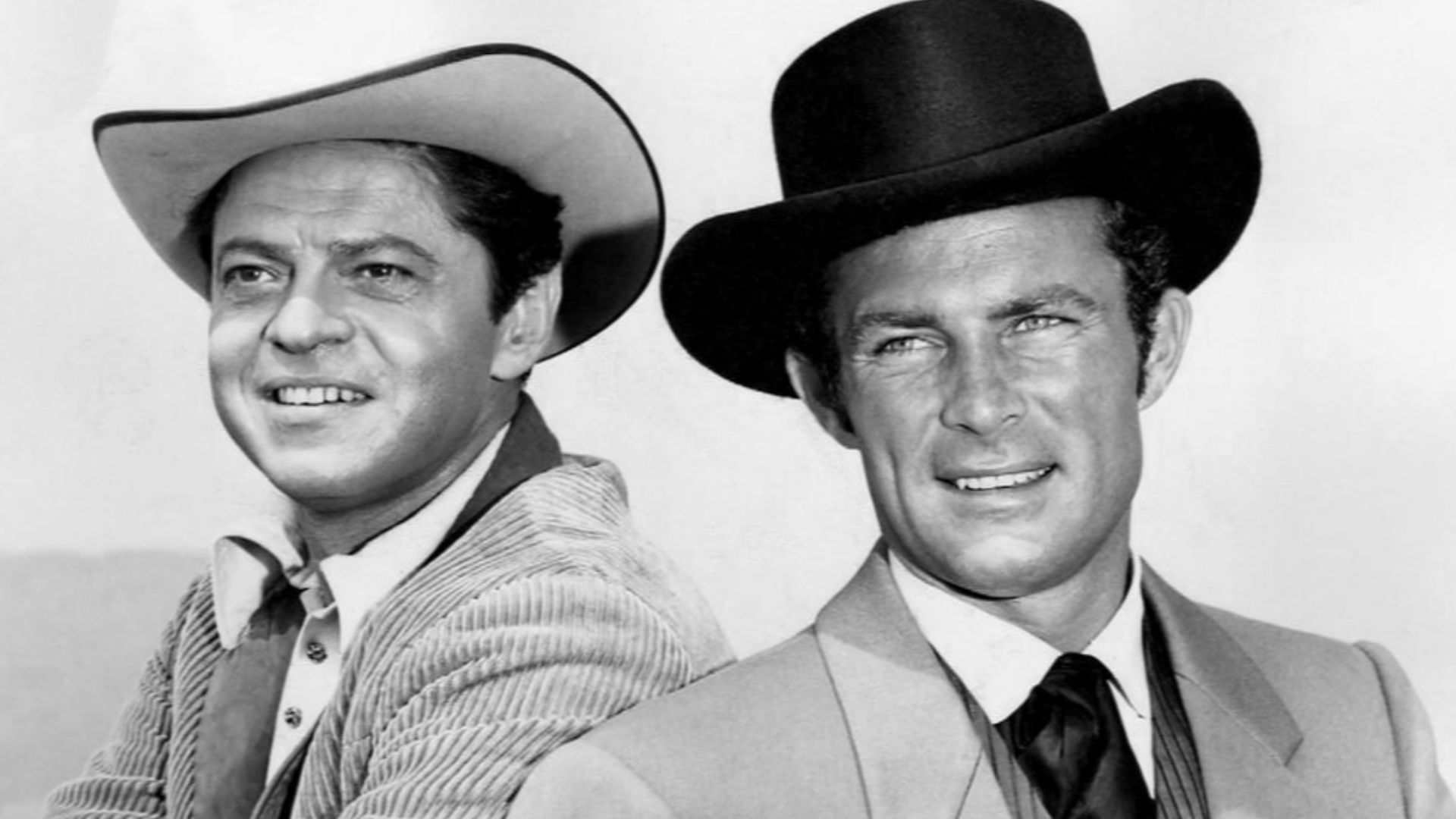 CBS Television, Wikimedia Commons
Cimarron Strip Went Big And Brooding
Cimarron Strip starred Stuart Whitman as Marshal Jim Crown. CBS aired the 90-minute Western from 1967 to 1968. The show was set in the Cimarron Territory, which became the Oklahoma Panhandle. Its oversized format made it ambitious, but it lasted only one season.
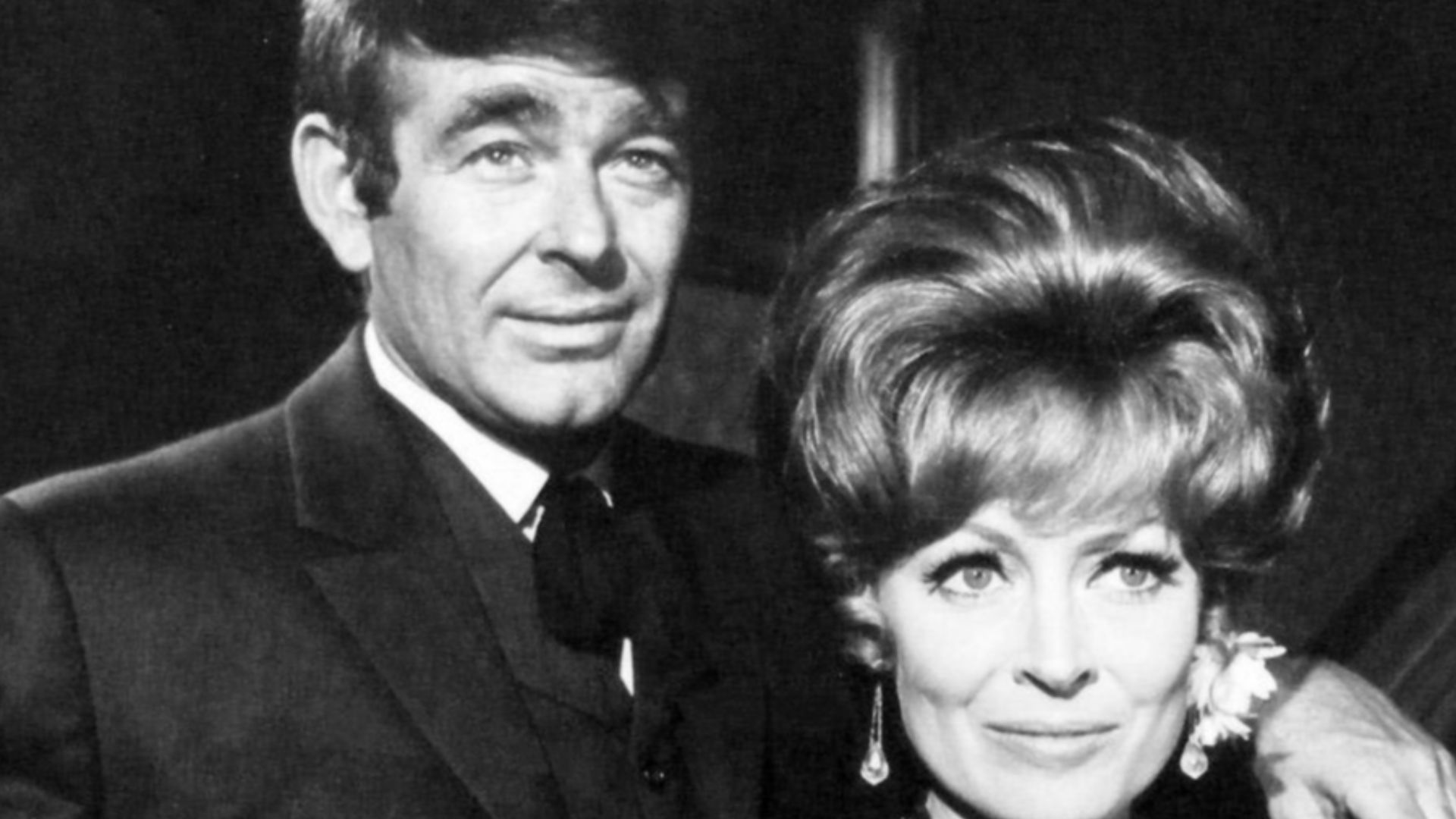 CBS Television, Wikimedia Commons
The High Chaparral Headed To Arizona
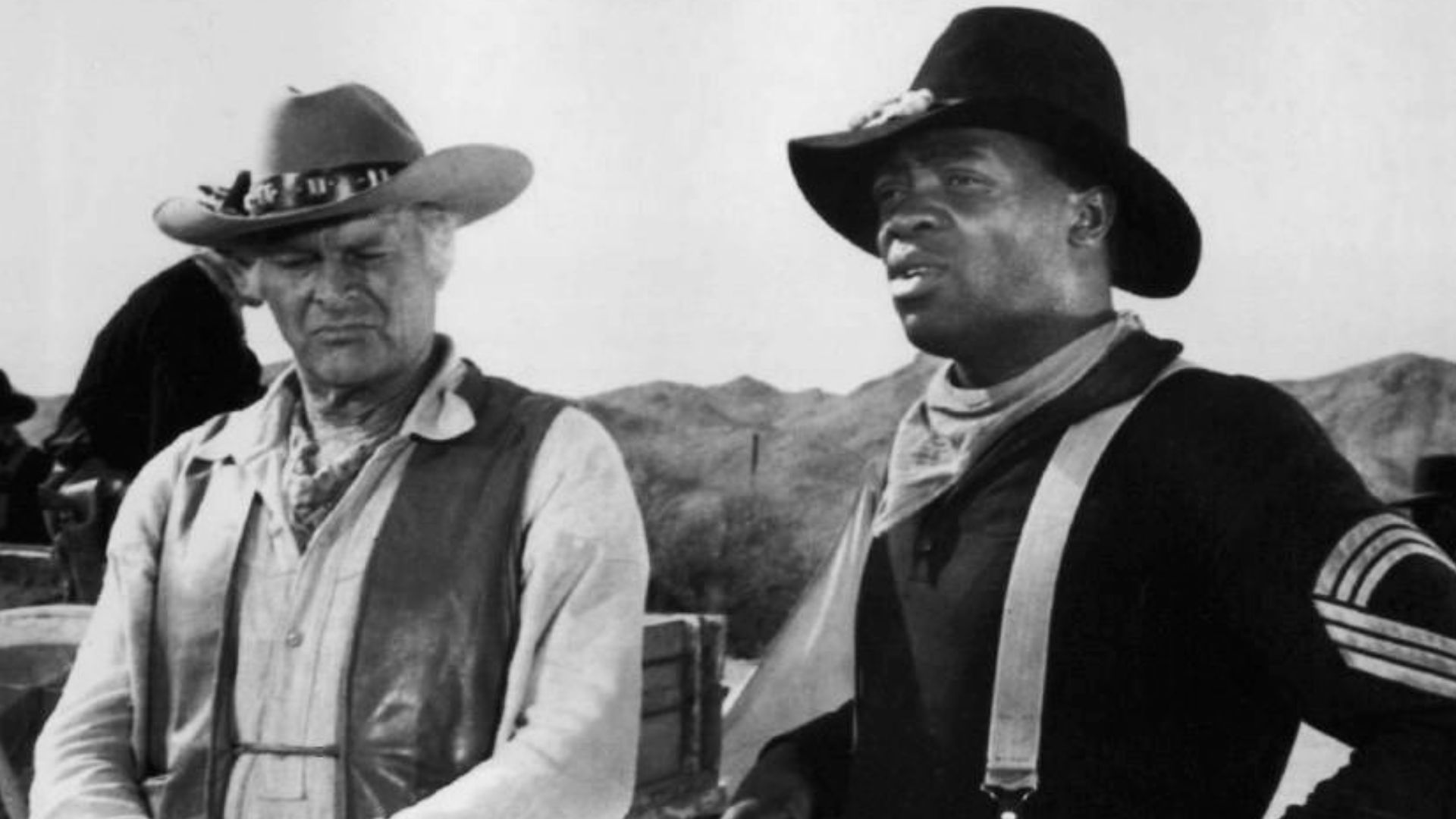
The High Chaparral was created by David Dortort, who had also created Bonanza. NBC aired the series from 1967 to 1971. The story followed the Cannon family on a ranch in Arizona Territory. Its borderland setting gave the show a different texture from the Nevada world of the Cartwrights.
 NBC Television, Wikimedia Commons
Lancer Gave The Ranch Saga A Late-Sixties Twist
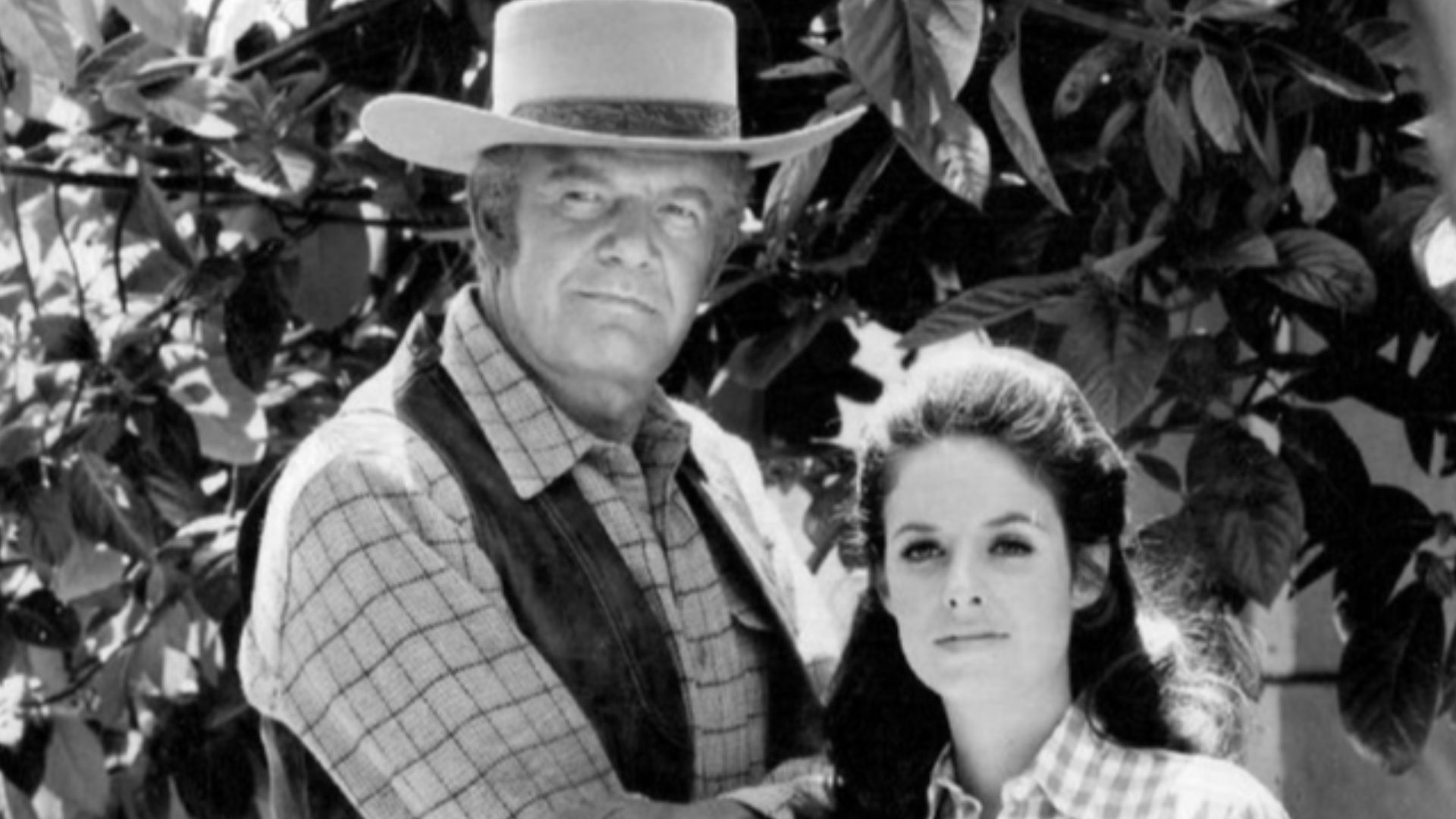
Lancer starred James Stacy, Wayne Maunder, and Andrew Duggan as members of a ranching family in California’s San Joaquin Valley. CBS aired the series from 1968 to 1970. The setup brought together estranged relatives trying to defend a large ranch. It arrived near the end of the classic network Western wave.
 CBS Television, Wikimedia Commons
The Outcasts Took On A Rare Premise
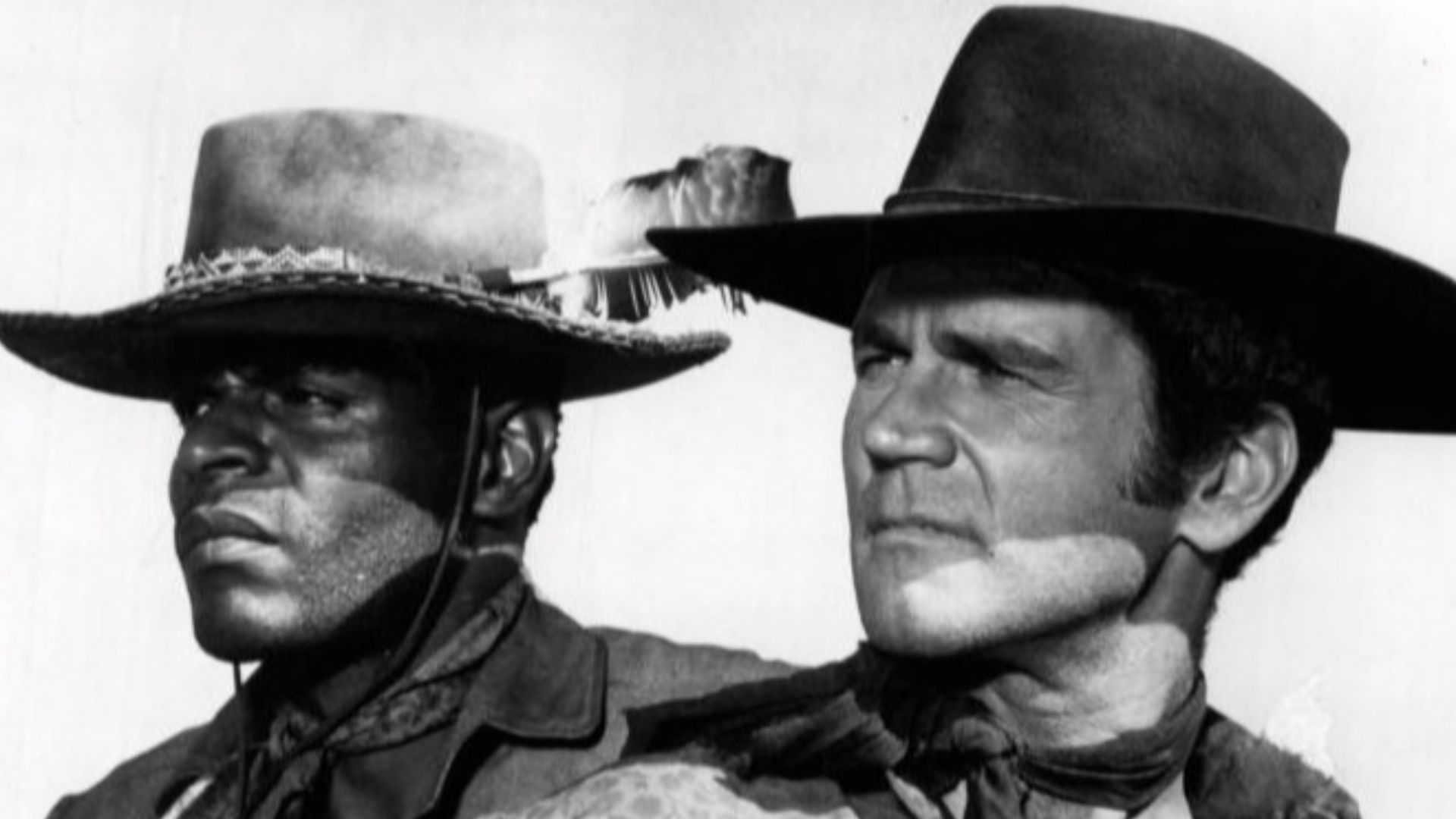
The Outcasts starred Don Murray and Otis Young as bounty hunters after the Civil War. ABC aired the series from 1968 to 1969. Its interracial lead pairing was unusual for a network Western of its era. The show tried to use the genre to address mistrust, survival, and uneasy partnership.
 ABC Television, Wikimedia Commons
The Guns Of Will Sonnett Had A Family Mystery
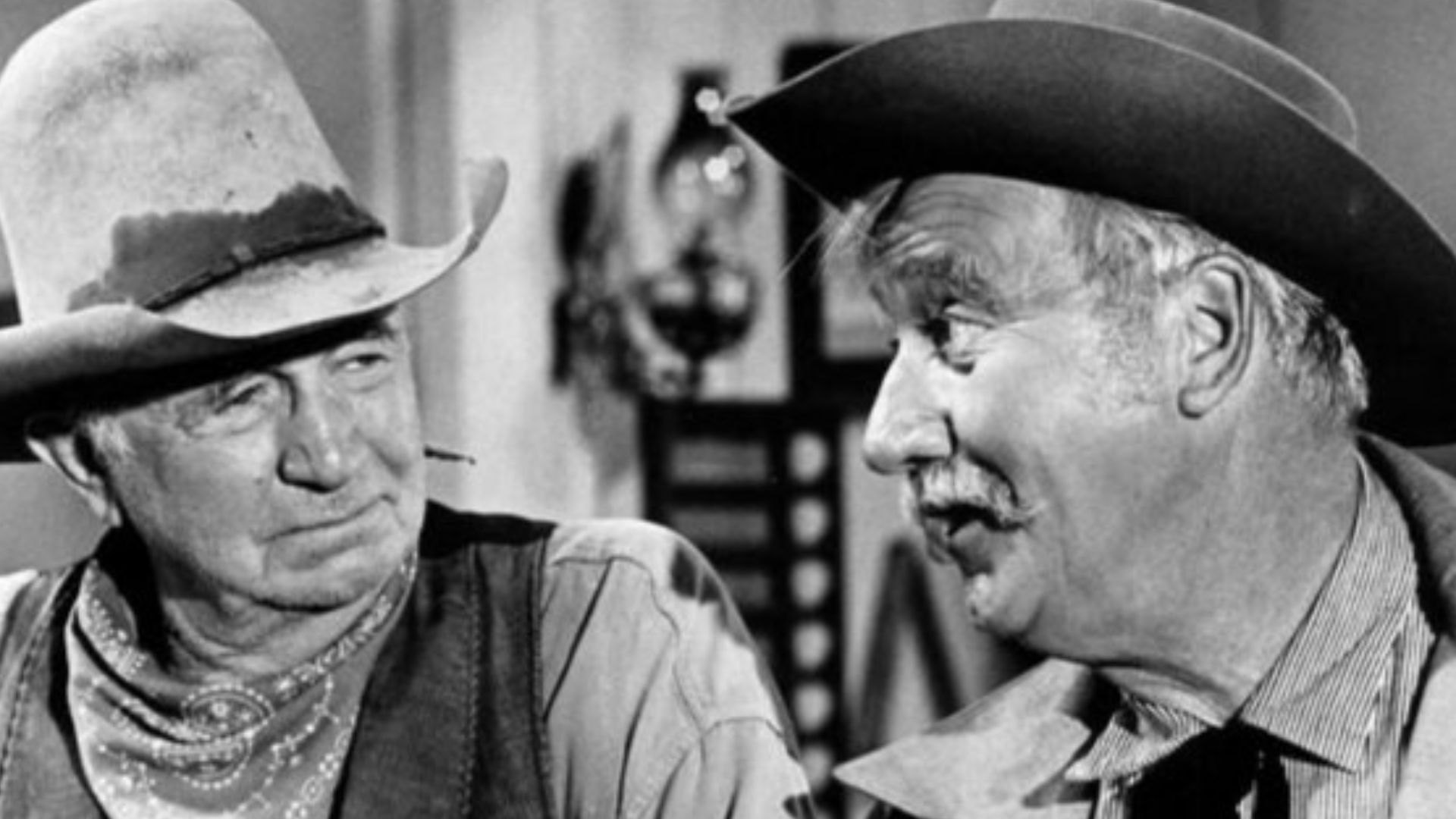
The Guns of Will Sonnett starred Walter Brennan and Dack Rambo as a grandfather and grandson searching for the boy’s father. ABC aired the series from 1967 to 1969. Brennan played Will Sonnett, a seasoned gunman with a famous catchphrase. The family search gave the show a continuing emotional thread across its episodes.
 ABC Television, Wikimedia Commons
You May Also Like:
TV Westerns Wrote The Blueprint For Great Television. Here’s The Proof
12 Things Movie Westerns Get Completely Wrong About The Old West
Western Movies And TV Shows Fans Swear By—And The Ones They Say “Ruined” The Genre